Choosing the right insulation is crucial for energy efficiency, comfort, and long-term building performance. With various insulation types available in the Philippine market, understanding your options helps you make the best decision for your specific project needs.
Why Insulation Matters
Proper insulation provides multiple benefits:
- Energy Efficiency: Reduces heat transfer, lowering air conditioning costs by up to 30%
- Sound Control: Minimizes noise transmission between rooms and from outside
- Comfort: Maintains consistent indoor temperatures year-round
- Moisture Control: Prevents condensation and mold growth
- Property Value: Quality insulation increases building value
Types of Insulation Materials
| Material Type | R-Value | Best For | Cost |
|---|---|---|---|
| Fiberglass Batts | R-2.5 to R-4 per inch | Walls, attics, standard applications | ₱/sq.ft. (affordable) |
| Mineral Wool | R-3 to R-3.3 per inch | Soundproofing, fire resistance | ₱₱/sq.ft. (moderate) |
| Spray Foam | R-6 to R-7 per inch | Sealing gaps, high efficiency | ₱₱₱/sq.ft. (premium) |
| Rigid Foam Board | R-4 to R-6.5 per inch | Foundation, exterior walls | ₱₱/sq.ft. (moderate-high) |
Fiberglass Insulation
Fiberglass is the most common insulation material in the Philippines due to its affordability and effectiveness.
Advantages
- Cost-effective and widely available
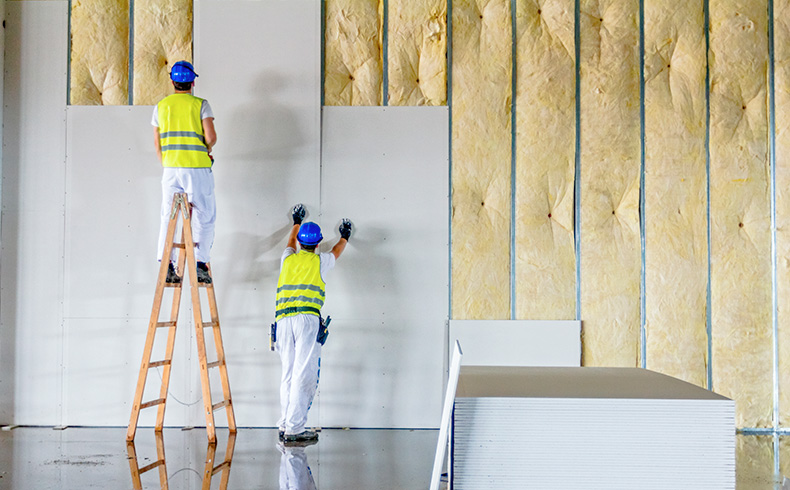
- Easy to install (DIY-friendly)
- Non-combustible
- Good thermal and acoustic performance
- Resistant to mold and moisture
Considerations
- Lower R-value compared to spray foam
- Requires proper installation to avoid gaps
- Skin irritation during installation
- Loses effectiveness if compressed
Mineral Wool Insulation
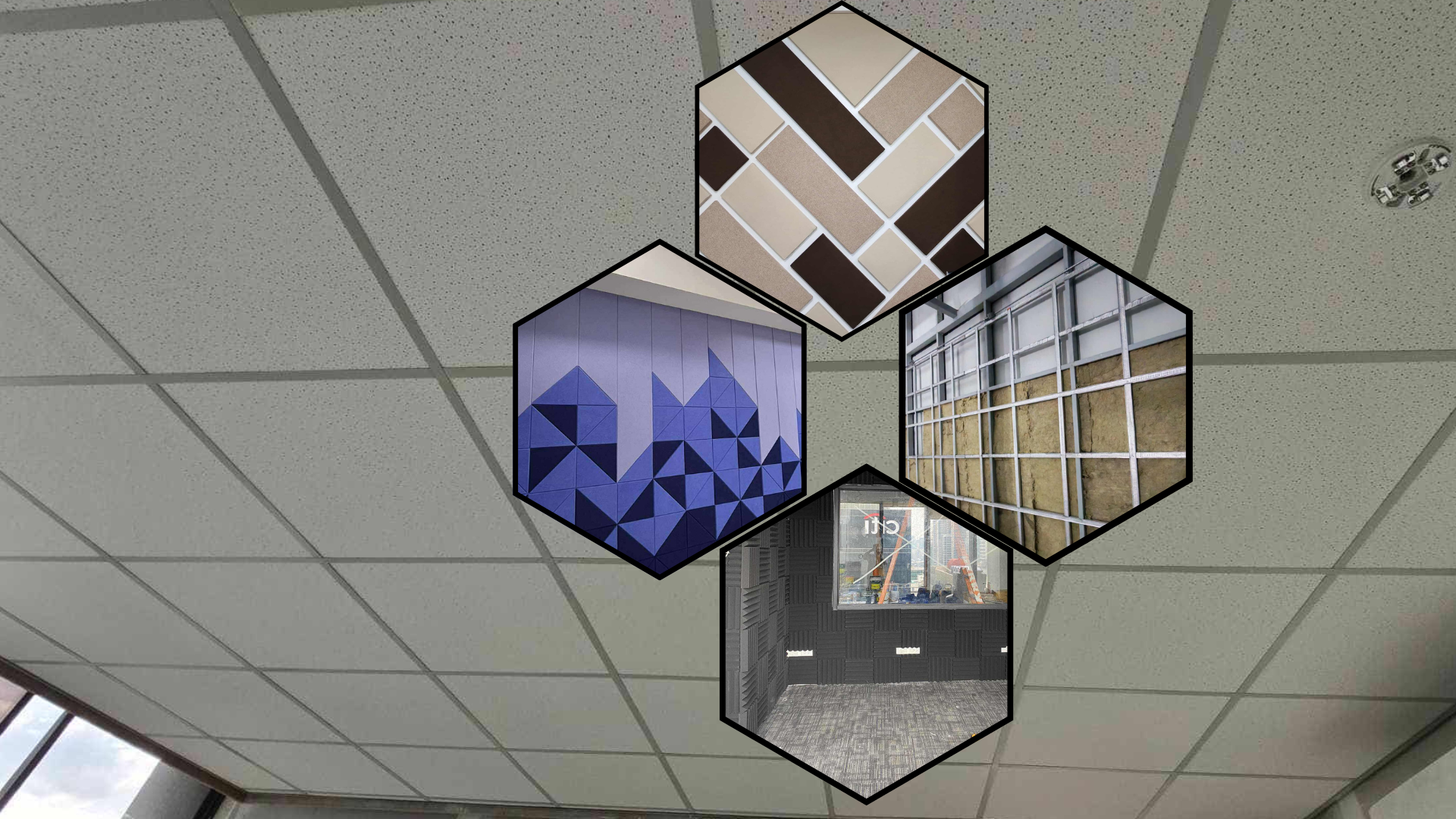
Made from rock or slag, mineral wool offers superior fire resistance and soundproofing capabilities, making it ideal for commercial buildings and spaces requiring acoustic control.
Best applications:
- Office partitions and conference rooms
- Theater and entertainment spaces
- Fire-rated walls and ceilings
- Industrial facilities
Spray Foam Insulation
Spray foam creates an air-tight seal and provides the highest R-value per inch. It expands to fill cavities and gaps completely.
Two types available:
- Open-cell spray foam: Lower cost, allows moisture vapor to pass through
- Closed-cell spray foam: Higher R-value, acts as vapor barrier, strongest option
Key Factors to Consider
1. Climate Zone
The Philippines has a tropical climate. For most regions, R-3 to R-4 per inch (fiberglass/mineral wool) provides adequate insulation. In high-heat areas (e.g., Metro Manila), consider upgrading to R-6.
2. Building Type
Residential homes benefit from fiberglass batts. Commercial offices and studios may need mineral wool for sound control. High-end projects justify spray foam investment.
3. Installation Location
Different areas require different approaches:
- Attic/ceiling: Higher R-value recommended
- Walls: Standard R-value sufficient
- Foundation: Rigid foam boards work best
4. Budget
Balance initial investment with long-term savings. Fiberglass offers good ROI. Spray foam costs 2-3x more but may pay off in energy-intensive buildings.
Common Mistakes to Avoid
- Skipping professional assessment: A site visit ensures correct thickness and coverage
- Compressing insulation: Reduces R-value significantly; don't squeeze batts
- Ignoring air leaks: Seal gaps before installing insulation
- Wrong thickness: Follow manufacturer guidelines for your climate zone
- Missing vapor barrier: Essential in tropical climates to prevent moisture issues
Maintenance and Longevity
Quality insulation lasts 20-30 years with minimal maintenance. However:
- Inspect annually for water damage or pest issues
- Replace if compressed or contaminated
- Consider adding insulation during major renovations
Need Help Choosing the Right Insulation?
Our experts at KM8 Enterprises are here to help you select the perfect insulation solution for your project.
Contact Our Experts